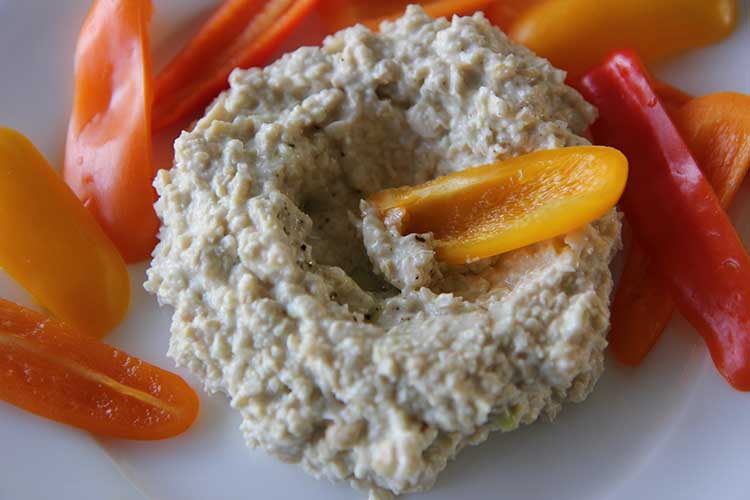
Make Raw Hummus: Skip Cooking for a Vibrant, Enzyme-Rich Dip
Hummus, the velvety, savory dip crafted from chickpeas, tahini, lemon juice, and garlic, has transcended its Middle Eastern origins to become a global culinary sensation. It’s a versatile staple, gracing everything from mezze platters to healthy lunch wraps. But what if there was a way to elevate this beloved classic, amplifying its nutritional profile and imparting an even fresher, more vibrant flavor? Enter raw hummus – a delightful and incredibly simple twist that bypasses cooking the chickpeas entirely, offering a plethora of benefits for your body and your taste buds.
This article will guide you through the exciting world of raw hummus, detailing its unique advantages, providing an easy-to-follow recipe, and sharing valuable tips to create a truly exceptional dip that’s bursting with living enzymes and fresh taste. Prepare to transform your hummus experience from satisfying to truly sensational!
What Makes Raw Hummus a Game-Changer? The Science of Soaking and Sprouting
The fundamental distinction of raw hummus lies in its preparation: the chickpeas are never cooked. Instead, they undergo a transformative process of extended soaking and, optionally, sprouting. This isn't just a shortcut; it's a conscious choice to preserve and even enhance the intrinsic qualities of the humble chickpea.
Soaking: Breaking Down Barriers
When dried chickpeas are soaked for an extended period (typically 12-24 hours), several crucial things happen. The water softens the beans, making them blendable without cooking. More importantly, soaking helps to reduce phytic acid and complex oligosaccharides – compounds naturally present in legumes that can interfere with nutrient absorption and cause digestive discomfort like bloating and gas. By breaking down these "anti-nutrients," soaking makes the chickpeas easier to digest and their nutrients more accessible.
Sprouting: Activating Life-Force Energy
Taking the process a step further, sprouting involves allowing the soaked chickpeas to germinate for 1-3 days. This remarkable biological process dramatically increases the bioavailability of vitamins, minerals, and antioxidants. Sprouting also activates dormant enzymes within the chickpea itself, which play a vital role in human digestion. These living enzymes are often destroyed by cooking temperatures, making sprouted chickpeas a powerhouse of digestive support. This is a core reason why raw hummus is often lauded for its ease on the stomach compared to its cooked counterpart.
The Undeniable Benefits of Embracing Raw Hummus
- Enhanced Nutritional Value: Beyond what cooking preserves, soaking and sprouting actually *increase* the availability of nutrients like B vitamins, Vitamin C, and various minerals. Your body can more readily absorb and utilize these vital components.
- Superior Digestion: The combination of reduced anti-nutrients and a higher concentration of natural enzymes significantly aids digestion. Many individuals find raw hummus causes less bloating and gas, making it a comfortable and enjoyable food. To delve deeper into these digestive benefits, explore our companion article: Unlock Raw Hummus Benefits: Enhanced Digestion & Nutrient Absorption.
- Vibrant, Fresher Flavor: Without the often heavier, slightly muted taste that cooking can impart, raw hummus boasts a brighter, earthier, and subtly nutty flavor profile. It tastes alive and bursting with the essence of its fresh ingredients.
- Rich in Living Enzymes: This is a cornerstone benefit. As mentioned, cooking destroys heat-sensitive enzymes. Raw hummus, with its uncooked chickpeas, retains these crucial enzymes, which assist your body in breaking down food and absorbing nutrients more efficiently.
- Quick & Easy Preparation (Post-Soaking): While the soaking or sprouting requires foresight, the actual hands-on preparation time for raw hummus is incredibly minimal. You simply rinse, blend, and enjoy – no pots, no boiling, no cooling down.
Crafting Your Own Raw Hummus: The Essential Recipe
Ready to experience the magic of raw hummus for yourself? Here’s a foundational recipe that will yield a deliciously creamy and nutrient-dense dip. Remember, the beauty of homemade hummus is its adaptability – feel free to adjust ingredients to your personal preference.
Key Ingredients You'll Need:
- 1 cup Dried Chickpeas: Choose good quality, organic chickpeas if possible. This is the star of your raw hummus!
- 1/4 cup Tahini: A good quality tahini (sesame seed paste) is essential for creaminess and authentic flavor. Hulled tahini is generally milder, while unhulled offers a slightly nuttier, more intense flavor and increased calcium.
- 1/4 cup Fresh Lemon Juice: Always opt for freshly squeezed. It provides that vital tang and brightens all the other flavors.
- 2-3 cloves Garlic: Fresh garlic is key for pungency and depth. Adjust to your love for garlic.
- 1/4 cup Water (or more, as needed): This helps achieve the desired smooth consistency. You can use filtered water or even a little of the chickpea soaking water if it was thoroughly rinsed.
- 2 tablespoons Extra Virgin Olive Oil: Adds richness and a lovely mouthfeel. Use a good quality oil for the best flavor.
- 1/2 teaspoon Cumin: The traditional spice that provides warmth and an earthy undertone.
- Salt to taste: Start with 1/2 teaspoon and adjust as you blend.
- Optional Garnish: A drizzle of olive oil, a sprinkle of paprika, fresh chopped parsley, or a few pine nuts.
Step-by-Step Instructions:
- Prepare Your Chickpeas: This is the most crucial step. Rinse your dried chickpeas thoroughly. Place them in a large bowl and cover with plenty of fresh, filtered water (at least 3-4 times their volume). Let them soak at room temperature for 12-24 hours. If you opt for sprouting, drain and rinse the soaked chickpeas, then place them in a sprouting jar or colander covered with a damp cloth. Rinse them 2-3 times a day for 1-3 days, until tiny sprouts emerge. The longer they sprout, the softer and more digestible they become.
- Rinse Thoroughly: Regardless of soaking or sprouting, rinse your prepared chickpeas very well under cold running water. This removes any residual enzymes or compounds from the soaking water and ensures the freshest taste.
- Combine Ingredients: In the bowl of a high-speed blender or a robust food processor, combine the rinsed chickpeas, tahini, fresh lemon juice, garlic cloves, cumin, and salt.
- Blend to Perfection: Start blending on low, gradually increasing speed. Slowly stream in the 1/4 cup of water and olive oil while blending. Scrape down the sides of the bowl as needed. Continue blending until the hummus is incredibly smooth and creamy. This may take several minutes, especially with a food processor. Add more water, one tablespoon at a time, if you desire a thinner consistency.
- Taste and Adjust: Stop and taste your raw hummus. Does it need more salt? More lemon for brightness? A little extra garlic kick? Adjust seasonings to your liking, then blend briefly to incorporate.
- Serve and Enjoy: Transfer your glorious raw hummus to a serving bowl. Create a small well in the center and drizzle with a final touch of extra virgin olive oil. Garnish with paprika, fresh parsley, or any other topping you prefer. Serve immediately with your favorite dippers like crisp vegetable sticks (carrots, celery, cucumber), seed crackers, bell pepper strips, or even romaine lettuce cups. For more serving ideas and tips on integrating raw hummus into your diet, check out our Raw Hummus Guide: Healthier, Easier, and Bursting with Fresh Flavor.
Beyond the Basic: Exciting Raw Hummus Variations and Pro Tips
Once you’ve mastered the classic raw hummus, the culinary possibilities are endless! Don’t be afraid to experiment and personalize your dip.
Flavor Innovations:
- Spicy Raw Hummus: Add a pinch of cayenne pepper, a few dashes of your favorite hot sauce, or even a small deseeded fresh chili (like jalapeño) to the blend for a fiery kick.
- Herbed Raw Hummus: Incorporate a handful of fresh herbs such as cilantro, parsley, dill, or mint. These add incredible freshness and complexity.
- Sun-Dried Tomato Raw Hummus: Soak a few sun-dried tomatoes (not oil-packed, unless you want extra richness) in warm water for 15-20 minutes, then drain and add them to the blender for a rich, tangy flavor.
- Green Raw Hummus: Blend in a cup of fresh spinach or kale for an extra boost of greens and a vibrant hue. Spirulina can also be added for a subtle oceanic note and superfood benefits.
- Beet Raw Hummus: A small, peeled, raw beet can be added for a beautiful pink color and earthy sweetness.
- Nut and Seed "Hummus": While traditionally hummus means chickpea, you can create similar raw, creamy dips using soaked cashews, sunflower seeds, or even zucchini as a base. This is a great alternative for those who may be sensitive to chickpeas, offering a different texture and nutritional profile, though technically not true hummus.
Pro Tips for Perfect Raw Hummus:
- Quality of Ingredients: The fresher and higher quality your ingredients, the better your hummus will taste. This is especially true for tahini and lemon juice.
- Don't Rush the Soaking: Patience is key here. Ensure your chickpeas are thoroughly soaked and soft before blending to achieve the silkiest texture.
- High-Powered Blender is Best: While a food processor works, a high-speed blender (like a Vitamix or Blendtec) will yield the smoothest, most ethereal raw hummus texture.
- Adjust Liquid Gradually: Always add water (or chickpea soaking liquid if desired) slowly, until you reach your preferred consistency. You can always add more, but you can't take it away!
- Taste, Taste, Taste: Don't be afraid to adjust seasonings. Hummus is very forgiving. A little extra lemon or salt can make all the difference.
- Storage: Store your raw hummus in an airtight container in the refrigerator for up to 3-5 days. The flavors tend to meld and deepen over time, often tasting even better the next day.
- Embrace Experimentation: Think of this recipe as a starting point. Play with spices, add different fresh vegetables, or try different garnishes.
Conclusion
Making raw hummus is a simple yet profound way to reinvent a beloved classic. By skipping the cooking step and embracing the power of soaking and sprouting, you unlock a dip that is not only incredibly delicious and vibrant but also significantly richer in enzymes and more digestible. It’s a testament to the fact that sometimes, the freshest and most natural approach yields the most rewarding results. So, gather your ingredients, follow these steps, and prepare to delight in a truly extraordinary, enzyme-rich dip that will nourish your body and tantalize your taste buds.
