Unlock Raw Hummus Benefits: Enhanced Digestion & Nutrient Absorption
Hummus, the beloved creamy dip crafted from chickpeas, tahini, lemon juice, and garlic, has graced tables worldwide for centuries. Its rich flavor and versatility make it a dietary staple for many. However, an innovative twist on this classic offers an even greater spectrum of health advantages: raw hummus. By skipping the cooking process for the chickpeas, this vibrant alternative unlocks a host of benefits, particularly for your digestive system and your body's ability to absorb vital nutrients. If you're seeking a healthier, more enzyme-rich version of your favorite dip, delving into the world of raw hummus is a game-changer.
Traditional hummus relies on cooked chickpeas, which, while nutritious, can lose some of their delicate enzymes and alter nutrient structures under heat. Raw hummus, conversely, leverages the power of soaking and often sprouting the chickpeas, transforming them into a living food bursting with natural goodness. This article will explore why raw hummus stands out, focusing on its profound impact on digestion and nutrient uptake, and provide insights into enjoying this culinary gem.
What Makes Raw Hummus a Nutritional Powerhouse?
The fundamental difference between raw and traditional hummus lies in its preparation: the chickpeas are never cooked. Instead, dried chickpeas undergo an extended period of soaking, or even sprouting, to soften them and enhance their digestibility. This seemingly simple step is where the magic happens, preserving and amplifying the natural benefits of this humble legume.
The Science Behind Soaking and Sprouting
Soaking chickpeas is more than just rehydrating them; it initiates a natural activation process. It helps to neutralize phytic acid, an anti-nutrient found in legumes and grains that can bind to minerals like iron, zinc, and calcium, making them less available for absorption. Sprouting takes this a step further. When chickpeas begin to sprout, they convert complex starches into simpler sugars, break down proteins into more easily digestible amino acids, and significantly increase the content and bioavailability of various vitamins and minerals, including B vitamins and Vitamin C.
Retaining Vital Enzymes
One of the most significant advantages of any raw food, including raw hummus, is the preservation of its natural enzymes. Enzymes are crucial catalysts for countless biochemical reactions in our bodies, particularly digestion. Heat above a certain temperature (typically around 104-118°F or 40-48°C) can destroy these delicate enzymes, meaning that cooked foods often rely solely on our body's own digestive enzymes. By consuming raw hummus, you're providing your digestive system with a direct assist, allowing it to work more efficiently and potentially alleviating strain.
Enhanced Digestion: A Gentle Approach to Gut Health
For many, legumes can be a source of digestive discomfort, often leading to gas and bloating. Raw hummus tackles these issues head-on, offering a far gentler and more agreeable experience for your gut.
Breaking Down Anti-nutrients
As mentioned, phytic acid and other complex sugars (oligosaccharides) are largely responsible for the digestive challenges associated with chickpeas. The soaking and sprouting process dramatically reduces these compounds. This means less work for your digestive system, as the chickpeas are pre-digested to some extent, making their components easier to process and assimilate.
Reducing Bloating and Gas
The complex sugars in chickpeas are notoriously difficult for some people to digest, leading to fermentation in the gut and subsequent gas and bloating. By breaking down these complex carbohydrates into simpler forms during soaking and sprouting, raw hummus significantly mitigates these common side effects. Many people who experience discomfort from traditional hummus find raw hummus to be remarkably easy on their digestive system, making it a truly inclusive option.
The Role of Natural Enzymes
The living enzymes present in raw hummus actively participate in the breakdown of food. Amylase, for instance, helps break down carbohydrates, while proteases aid in protein digestion. This "external" enzymatic support means your body doesn't have to expend as much energy producing its own enzymes, leading to more efficient digestion and potentially more energy for other bodily functions. It's like giving your digestive system a helpful co-pilot.
Unlocking Maximum Nutrient Absorption
Beyond easing digestion, raw hummus takes the nutritional profile of chickpeas to a new level, ensuring your body can truly capitalize on their inherent goodness.
Increased Bioavailability of Vitamins and Minerals
By neutralizing phytic acid and other anti-nutrients, raw hummus dramatically increases the bioavailability of essential minerals. This means your body can absorb and utilize a greater percentage of the iron, zinc, magnesium, and calcium present in the chickpeas. Moreover, the sprouting process itself can boost the levels of certain nutrients. For example, some studies suggest an increase in B vitamins, which are crucial for energy metabolism, and Vitamin C, a powerful antioxidant often diminished by heat.
A Richer Nutritional Profile
The combination of preserved enzymes and enhanced nutrient bioavailability means that raw hummus isn't just easier to digest; it’s also a more nutrient-dense food. You're getting more bang for your buck, nutritionally speaking. This makes raw hummus an excellent choice for anyone looking to maximize their intake of plant-based protein, fiber, healthy fats (from tahini and olive oil), and a wide array of vitamins and minerals crucial for overall health and vitality.
Beyond Digestion: More Benefits of Embracing Raw Hummus
While digestion and nutrient absorption are primary drivers for choosing raw hummus, this innovative dip offers several other compelling advantages that make it a standout addition to any healthy diet.
A Burst of Fresh Flavor
Many aficionados describe raw hummus as having a brighter, more vibrant, and distinctly "fresher" flavor profile compared to its cooked counterpart. The raw chickpeas lend a subtle nutty and earthy undertone that pairs beautifully with the tangy lemon, robust garlic, and rich tahini. This lively taste makes it incredibly appealing and can elevate any meal or snack.
Quick and Convenient Preparation
While the soaking (and optional sprouting) requires planning, the actual hands-on preparation time for raw hummus is remarkably minimal. You bypass the lengthy cooking step entirely. Once your chickpeas are ready, it's simply a matter of blending all the ingredients together until smooth. This makes raw hummus an ideal choice for those who appreciate wholesome, homemade food but are short on time during the week.
Culinary Versatility and Creative Twists
Like traditional hummus, raw hummus is incredibly versatile. It serves as an excellent dip for raw vegetables, pita bread (for those who consume it), or crackers. It can also be spread on sandwiches, wraps, or used as a creamy base for salad dressings. Furthermore, the concept of raw hummus extends beyond just chickpeas. Some recipes explore using soaked nuts and seeds as a base, offering delicious alternatives for those with chickpea sensitivities or simply looking to experiment with different textures and nutrient profiles. Adding herbs like cilantro or dill, or spices like smoked paprika, can further customize the flavor.
Crafting Your Own Raw Hummus: Tips for Success
Making your own raw hummus is a rewarding experience. Here's what you need to know to create a delicious and gut-friendly batch.
Essential Ingredients and Preparation Steps
- Raw Chickpeas: Start with good quality dried chickpeas. Soak them for at least 12-24 hours, changing the water once or twice. For sprouted hummus, continue to rinse and drain them for 1-3 days until small sprouts appear. This process is key to unlocking the full benefits.
- Tahini: A good quality tahini is paramount for creaminess and authentic flavor. Look for one with a smooth consistency and a mild, nutty taste.
- Fresh Lemon Juice: Always use freshly squeezed lemon juice for the brightest, most vibrant flavor.
- Fresh Garlic: Adjust the amount to your preference – fresh garlic provides a pungent kick.
- Water: This is crucial for achieving the perfect creamy texture. Start with a small amount and add more gradually until you reach your desired consistency.
- Extra Virgin Olive Oil: Drizzle in some high-quality extra virgin olive oil for richness and a glossy finish.
- Cumin & Salt: These spices are essential for the traditional hummus flavor. Taste and adjust as you go.
The process is straightforward: simply combine all ingredients in a high-speed blender or food processor and blend until silky smooth. Scrape down the sides as needed. For detailed instructions, check out our guide on Make Raw Hummus: Skip Cooking for a Vibrant, Enzyme-Rich Dip.
Customization and Serving Suggestions
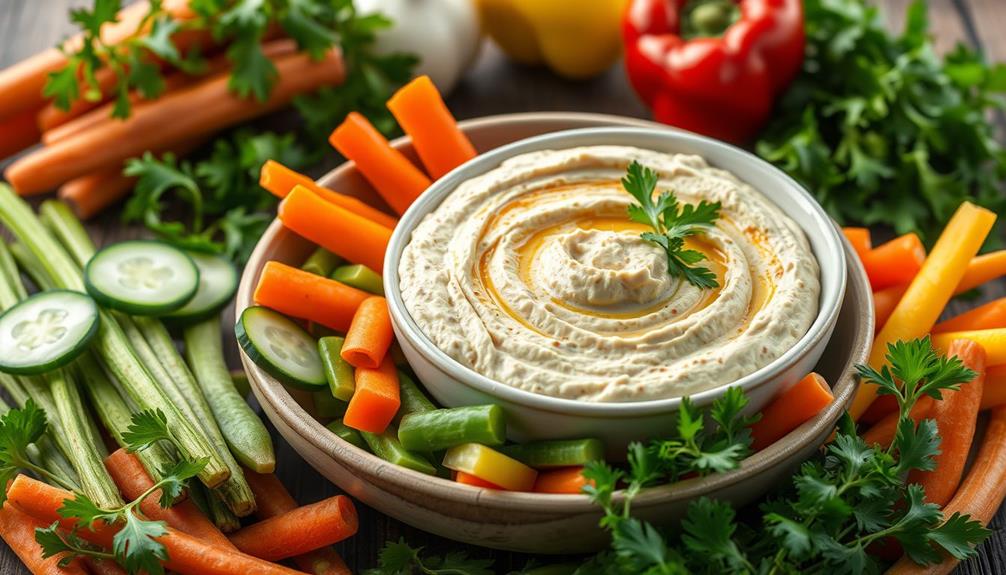
Don't be afraid to get creative! Add roasted red peppers for a smoky twist, sun-dried tomatoes for umami, or fresh herbs like parsley or cilantro for a burst of freshness. Top your raw hummus with a sprinkle of paprika, a drizzle of olive oil, chopped herbs, or even a few pine nuts for an added crunch. Serve it with crisp carrot sticks, celery, bell pepper strips, cucumber slices, or hearty romaine lettuce leaves for a satisfying and nutritious snack.
Conclusion
Raw hummus is more than just a culinary curiosity; it's a testament to how simple preparation tweaks can dramatically enhance the nutritional power and digestibility of everyday foods. By embracing soaked or sprouted chickpeas, you're not only creating a dip that's bursting with fresh flavor but also one that actively supports your digestive health and maximizes nutrient absorption. It's a delicious, enzyme-rich upgrade that caters to your well-being without compromising on taste. So, why not give this vibrant, gut-friendly alternative a try and unlock the full spectrum of benefits that raw hummus has to offer?
